
"Kurt Zosel"
78 article(s) found

How is decaf made?
At present, there are three ways to remove caffeine from coffee beans: 1. Water treatment can remove 9496% of the caffeine. 2. Chemical extraction method, early use chloroform (Chloroform), benzene (Benzene) as solvent to extract caffeine, later understand that these chemicals cause cancer, and gradually be replaced by other low-hazard chemicals, but after all, the chemical substances are not natural enough, this method can extract 96

Processing methods of low caffeine coffee beans
At present, there are three ways to remove caffeine from coffee beans: 1. Water treatment can remove 9496% of the caffeine. 2. Chemical extraction method, early use chloroform (Chloroform), benzene (Benzene) as solvent to extract caffeine, later understand that these chemicals cause cancer, and gradually be replaced by other low-hazard chemicals, but after all, the chemical substances are not natural enough, this method can extract 9.

Processing methods of coffee beans with low caffeine
CO2 low-caffeine treatment and other low-caffeine treatments are described as follows: at present, there are three ways to remove caffeine from coffee beans: 1. Water treatment can remove 9496% of the caffeine. 2. Chemical extraction method, early use of chloroform (Chloroform) and benzene (Benzene) as solvents to extract caffeine, and later understand that these chemicals cause cancer, and then gradually become other low-hazard chemicals.
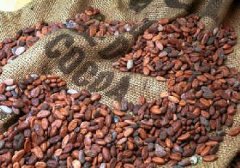
Decaffein, the processing method of low caffeine coffee beans
CO2 low-caffeine treatment and other low-caffeine treatments are described as follows: at present, there are three ways to remove caffeine from coffee beans: 1. Water treatment can remove 9496% of the caffeine. 2. Chemical extraction method, early use of chloroform (Chloroform) and benzene (Benzene) as solvents to extract caffeine, and later understand that these chemicals cause cancer, and then gradually become other low-hazard chemicals.
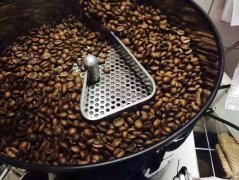
Decaffein, the processing method of low caffeine coffee beans
CO2 low-caffeine treatment and other low-caffeine treatments are described as follows: at present, there are three ways to remove caffeine from coffee beans: 1. Water treatment can remove 9496% of the caffeine. 2. Chemical extraction method, early use of chloroform (Chloroform) and benzene (Benzene) as solvents to extract caffeine, and later understand that these chemicals cause cancer, and then gradually become other low-hazard chemicals.
Decaf treatment? What is the carbon dioxide supercritical treatment of decaf coffee? Dioxin
Qianjie Coffee briefly describes the carbon dioxide supercritical treatment of decaf coffee the step of decaine treatment can only be carried out in the state of raw beans of sub-coffee. Today, there are three main types of treatments to remove caffeine: traditional / European treatment (European Process), Swiss water treatment (SWP,SwissWater Process), and carbon dioxide supercritical treatment (CO?

Indonesia organic low-ingredient gold lion mantenin coffee grade treatment method for low-ingredient mantenin coffee
Professional coffee knowledge exchange more coffee bean information please follow the coffee workshop (Wechat official account cafe_style) Indonesia Golden Lion Manning Organic low-caffeine this batch of Lin Dongman low-caffeine beans is the use of CO2 treatment of low-caffeine beans, about CO2 treatment, we specially invite a doctor who specializes in chemistry to help compile and collate, the data are as follows: CO2 low-caffeine treatment description: coffee

Coffee theory: what is decaf?
Decaf coffee, as its name implies, is coffee with only a small amount of caffeine. Coffee contains many ingredients and substances, among which caffeine has an obvious effect on the human body. For many people who are addicted to coffee but whose physical condition does not allow caffeine, decaf is the best choice. Generally speaking, Arabica coffee beans contain 1.1% and 1.7% in coffee beans.

Historical Flavor and Taste of Coatepec Cotepe / Cottpe Coffee grown in Mexico Coffee producing area
Professional coffee knowledge exchange more coffee bean information please follow the coffee workshop (Wechat official account cafe_style) [Mexican Coffee] is a major coffee producing country in Central America, the coffee here is comfortable and fragrant, the Mexican coffee selected are Coatepec, Huatusco, Orizaba, among which Kurt

To successfully open a cafe, the following six lessons must be mastered!
With the increasing popularity of coffee, coffee shops have replaced fast food restaurants as the first choice for parties or to spend time. At the same time, to be able to open a coffee shop is a dream of many people, even in the annual entrepreneurial alliance exhibition, coffee shops are always voted as the top ten entrepreneurial industries, it can be seen that opening a coffee shop has a fatal attraction to many entrepreneurs. Being able to smell coffee every day, chat with guests, and
Global coffee producing area-C ô te d'Ivoire
Ivory Coast (CotedIvoire) has never produced the best quality coffee and rarely produces coffee from Arabian coffee trees. In the early 1980s, it was the third largest coffee producer in the world and is still the fifth largest coffee producer even today. In terms of coffee production, C ô te d'Ivoire is second only to Indonesia. Coffee production in C ô te d'Ivoire: Kurt
Ivorian coffee
Ivory Coast (CotedIvoire) has never produced the best quality coffee and rarely produces coffee from Arabian coffee trees. In the early 1980s, it was the third largest coffee producer in the world and is still the fifth largest coffee producer even today. In terms of coffee production, C ô te d'Ivoire is second only to Indonesia. Coffee production in C ô te d'Ivoire: Kurt

A global coffee producer in C ô te d'Ivoire.
Ivory Coast (CotedIvoire) has never produced the best quality coffee and rarely produces coffee from Arabian coffee trees. In the early 1980s, it was the third largest coffee producer in the world and is still the fifth largest coffee producer even today. In terms of coffee production, C ô te d'Ivoire is second only to Indonesia. Coffee production in C ô te d'Ivoire: Kurt

Ivorian Coffee Market and characteristics of Ivorian coffee
Ivory Coast (CotedIvoire) has never produced the best quality coffee and rarely produces coffee from Arabian coffee trees. In the early 1980s, it was the third largest coffee producer in the world and is still the fifth largest coffee producer even today. In terms of coffee production, C ô te d'Ivoire is second only to Indonesia. Coffee production in C ô te d'Ivoire: Kurt

Boutique coffee bean producing countries introduce Ivorian coffee
Ivory Coast (CotedIvoire) has never produced the best quality coffee and rarely produces coffee from Arabian coffee trees. In the early 1980s, it was the third largest coffee producer in the world and is still the fifth largest coffee producer even today. In terms of coffee production, C ô te d'Ivoire is second only to Indonesia. Coffee production in C ô te d'Ivoire: Kurt

Is it credible to drink more coffee and lose less hair?
Professor Elsner of the University of Jena in Germany says low testosterone is one of the factors contributing to hair loss. As a stimulant, caffeine is most effective for men whose hair roots are easily affected by testosterone levels. However, research shows that just because a person likes coffee doesn't mean he won't go bald in his old age, unless he puts caffeine directly on the end of his hair.

Global coffee producing area-Ivorian coffee market
Ivory Coast (CotedIvoire) has never produced the best quality coffee and rarely produces coffee from Arabian coffee trees. In the early 1980s, it was the third largest coffee producer in the world and is still the fifth largest coffee producer even today. In terms of coffee production, C ô te d'Ivoire is second only to Indonesia. Coffee production in C ô te d'Ivoire: Kurt

Is it credible to drink more coffee and lose less hair?
Professor Elsner of the University of Jena in Germany says low testosterone is one of the factors contributing to hair loss. As a stimulant, caffeine is most effective for men whose hair roots are easily affected by testosterone levels. However, research shows that just because a person likes coffee doesn't mean he won't go bald in his old age, unless he puts caffeine directly on the end of his hair.

What is the common taste of common coffee?
Mexico Coatepec, Huatusco, Orizaba: comfortable on the palate with charming aromas. Blue Mountain Coffee: sour, sweet, bitter taste are very harmonious and have excellent flavor and aroma, suitable for individual coffee, suitable for moderate roasting. Hawaiian coffee: with a strong sour taste and unique aroma, moderately roasted beans with strong acidity

Drink more coffee and lose less hair. Can you believe it?
Low testosterone levels are one of the factors contributing to hair loss, said Professor Elsner of the University of Jena in Germany. As a stimulant, caffeine works best for men whose hair roots are susceptible to testosterone levels. Coffee Coffee, however, research shows that just because someone drinks coffee doesn't mean they won't grow bald in old age, unless they rub caffeine directly into the ends of their hair,